
Agricultural Drainage
Field Drainage Tiling
Iowa, Illinois, Missouri, Nebraska & Kansas
Subsurface drainage systems designed to remove excess water from agricultural soil across Iowa, Illinois, Missouri, Nebraska, and Kansas.
What Is Field Drainage Tiling?
Field drainage tiling is a subsurface drainage system designed to remove excess water from agricultural soil and move it safely away from the field.
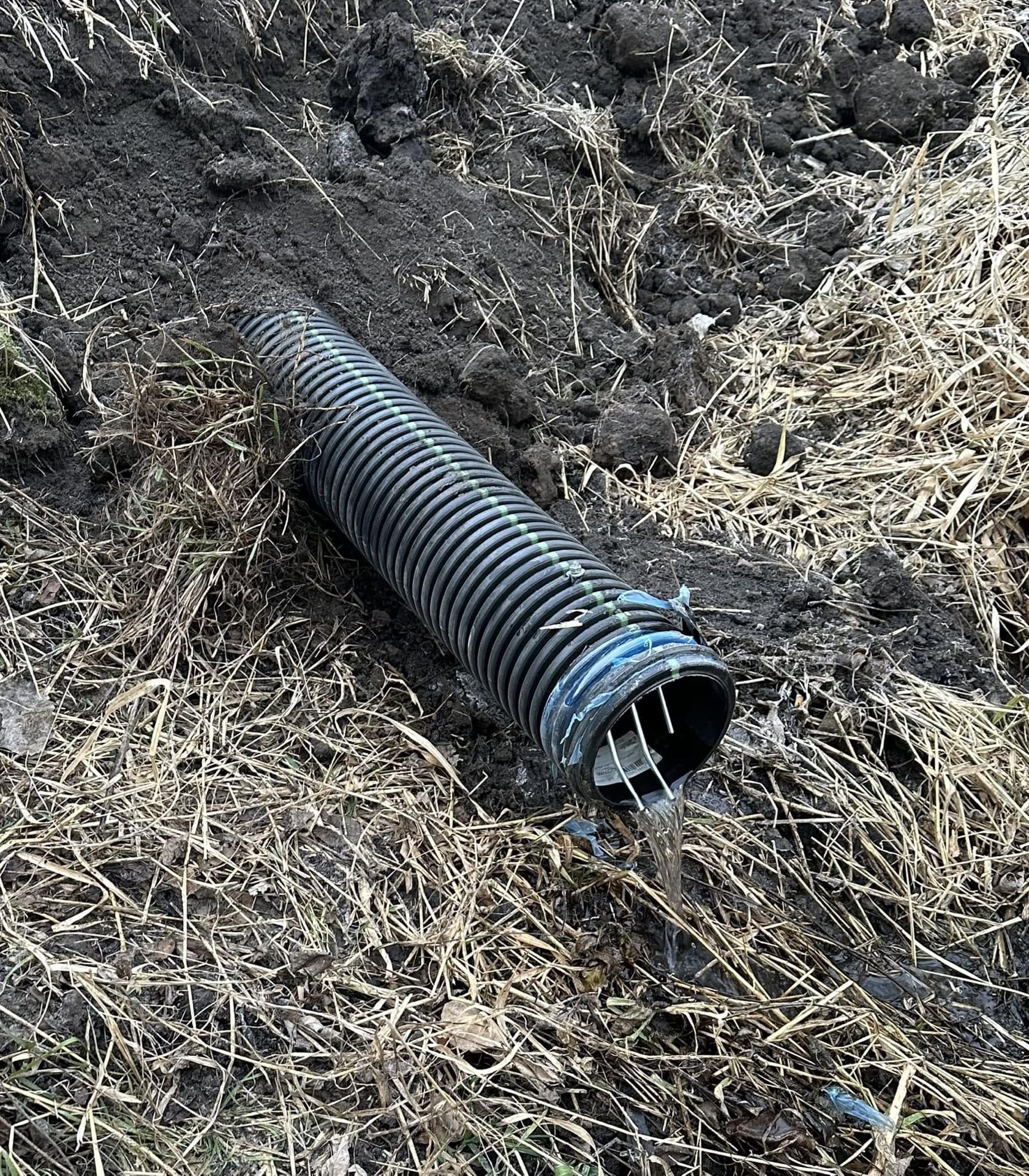
Despite the name, modern drainage systems typically don't use clay "tiles." Instead, perforated drainage pipe is installed beneath the soil at carefully planned depths and spacing. Excess water in the soil enters the pipe and is carried through the drainage system to an appropriate outlet.
The result is a field that can drain more efficiently after heavy rainfall, snowmelt, and periods of saturated soil.
For farms throughout Iowa, Illinois, Missouri, Nebraska, and Kansas, where wet conditions can delay planting, create uneven crop development, and make fields difficult to work, properly designed drainage tile can be an important part of long-term land improvement.
How Does Field Drainage Tile Work?
A field drainage system works below the surface.
Perforated drainage pipe is installed underground in a planned network across the field. Water that would otherwise remain trapped in saturated soil gradually moves into these drainage lines.
The water then flows through increasingly larger lines before reaching a main line and eventually a suitable drainage outlet.
A typical system may include:
- Lateral tile lines that collect excess water throughout the field
- Main lines that carry water from multiple lateral lines
- Connections and fittings that bring the system together
- Drainage outlets that safely discharge water from the system
- Surface inlets or other drainage structures when needed for specific field conditions
Every field is different. Soil type, topography, acreage, existing drainage, outlet availability, and the amount of water being managed can all affect how a system should be designed.
Why Do Farmers Install Drainage Tile?
Reduce Excess Soil Moisture
When soil stays saturated for extended periods, crop roots may not receive the oxygen they need. Subsurface drainage helps remove excess water from the root zone while allowing the soil to retain the moisture crops need.
Get Into Fields Sooner
Wet fields can delay planting, spraying, harvesting, and other fieldwork. Better drainage can help fields become workable sooner following wet weather.
Create More Consistent Growing Conditions
Low areas and poorly drained sections of a field can perform differently from surrounding acres. A properly planned drainage system can help create more uniform soil moisture conditions across the field.
Support Healthy Root Development
Removing excess water allows more air into the soil profile, creating better conditions for root growth and crop development.
Protect the Long-Term Productivity of Your Ground
Drainage tile is an underground improvement designed to serve a property for years. When properly designed and installed, it can become an important part of a farm's overall water-management strategy.
Pattern Tiling vs. Spot Tiling
Not every field needs the same drainage solution.
Pattern Tiling
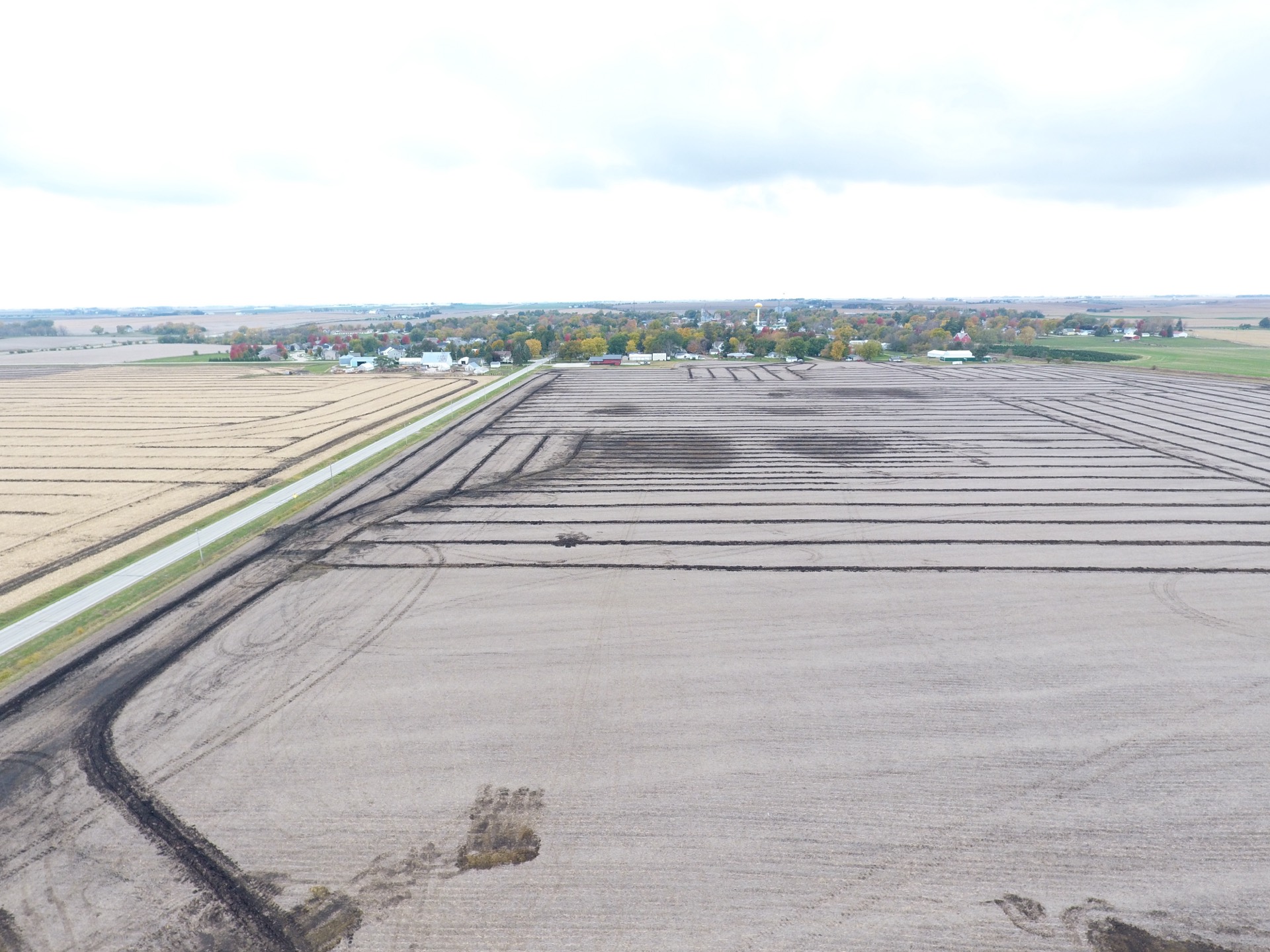
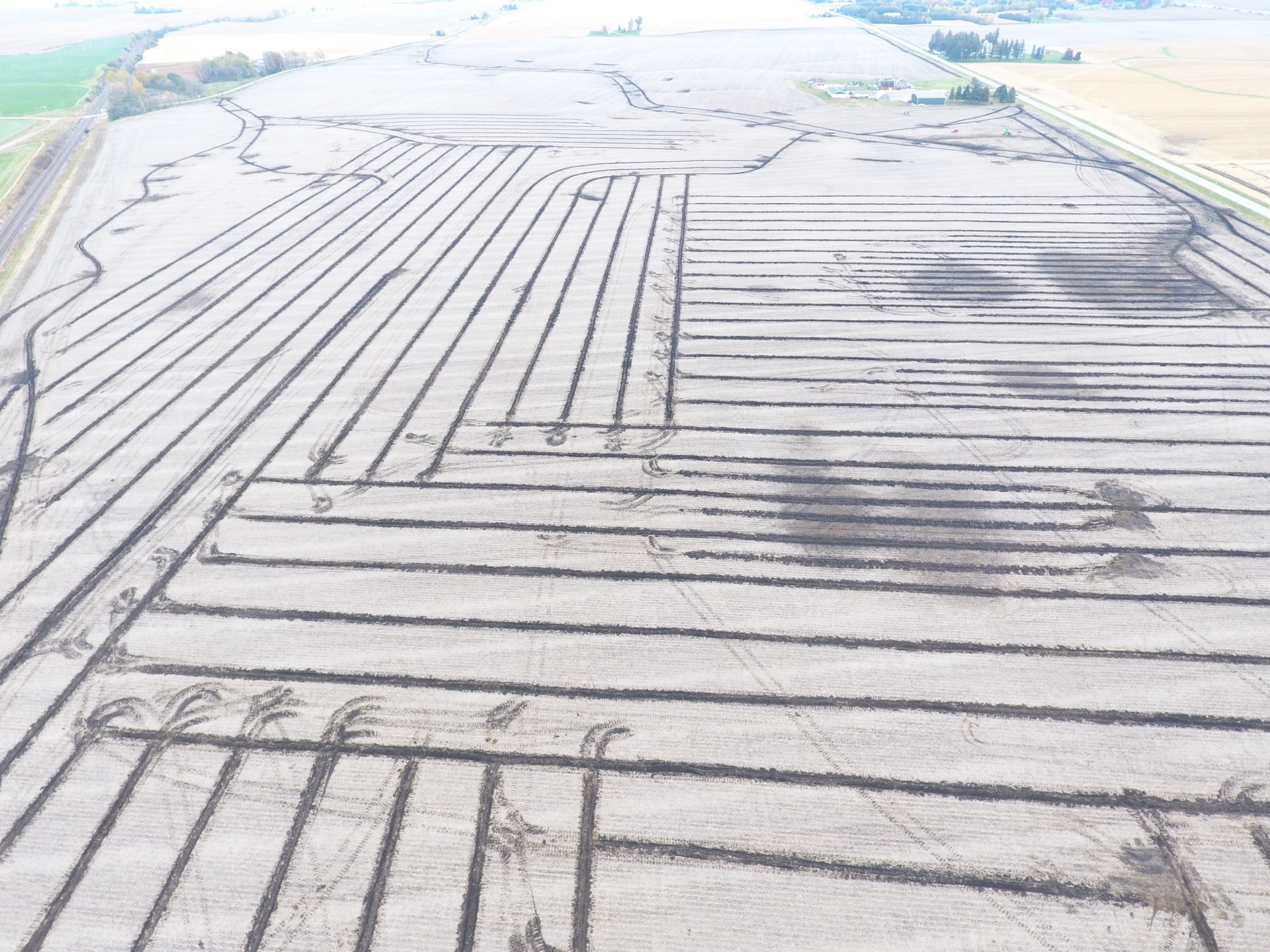
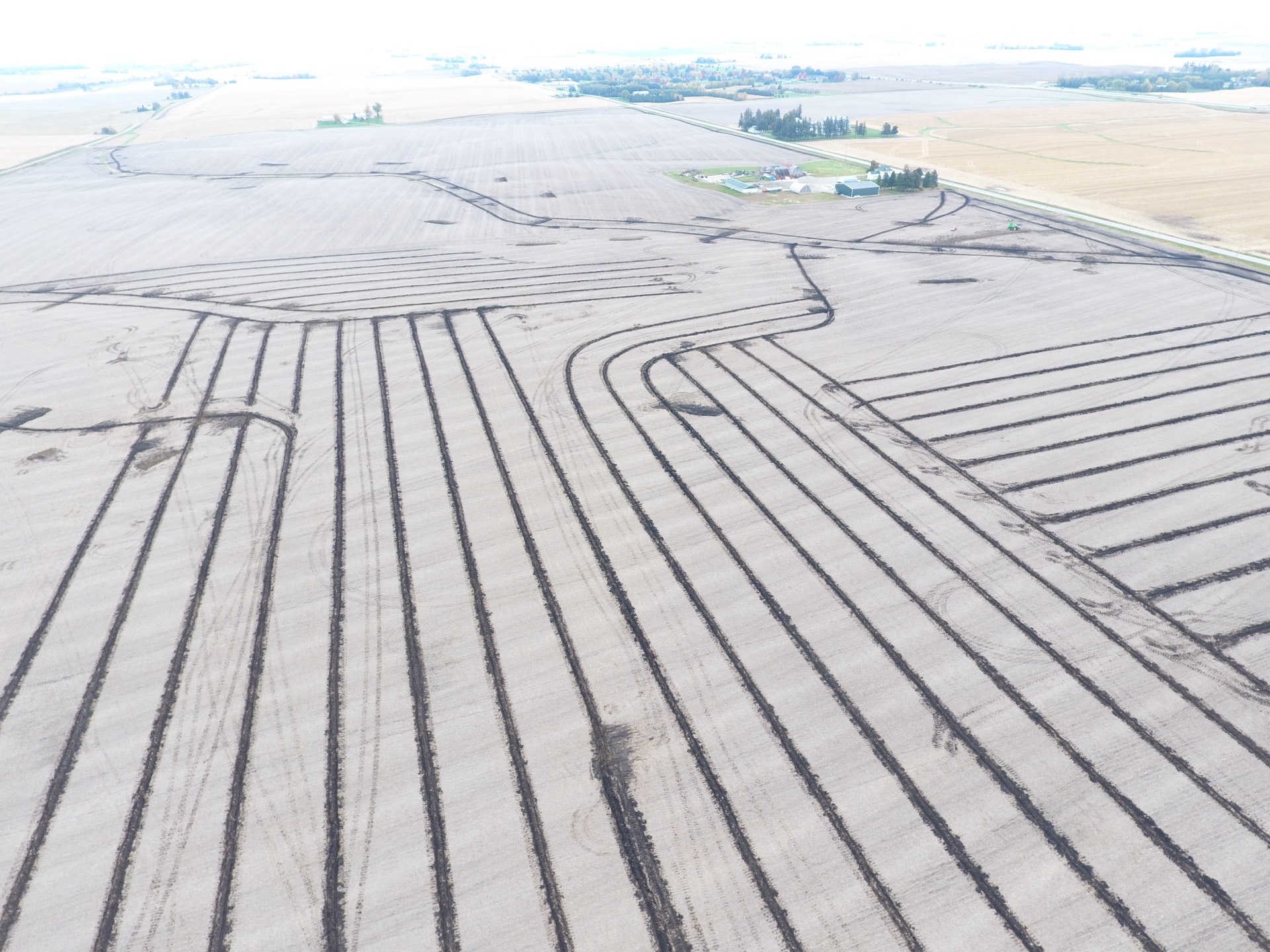
Pattern tiling uses systematically spaced lateral lines across a larger portion of the field. It is designed to provide consistent subsurface drainage throughout the tiled area rather than addressing only individual wet spots.
Pattern systems are often used when drainage problems affect significant portions of a field or when a landowner wants a more comprehensive drainage solution.
Spot Tiling
Spot tiling targets specific problem areas.
If most of a field drains adequately but certain low areas consistently remain wet, strategically placed tile lines may help address those particular areas without installing a complete pattern system.
The right approach depends on the field, soil, terrain, existing infrastructure, and the landowner's goals.
Good Field Drainage Starts With Good Planning
Installing drainage pipe is only one part of building an effective system.
The system must be designed so that water can move efficiently from the field to an appropriate outlet. Pipe sizing, tile depth, spacing, grade, field elevations, existing tile, and overall system capacity all need to be considered.
A well-planned drainage system should account for both the problems you're experiencing today and how the system may need to perform in the future.
Field Drainage Tiling by Ricken Excavating and Drainage LLC
At Ricken Excavating and Drainage LLC, we help farmers and landowners improve agricultural drainage with field tiling solutions designed around the individual property.
We understand that no two fields drain exactly the same. Our team evaluates the conditions of the ground and develops a drainage approach based on the needs of the field.
We provide field drainage tiling services throughout Iowa, Illinois, Missouri, Nebraska, and Kansas. Demand for tile is growing across Kansas, especially in southern Kansas.
Whether you're dealing with persistent wet areas, considering pattern tiling, expanding an existing drainage system, or looking for a long-term drainage solution, we're ready to help.
Our Work
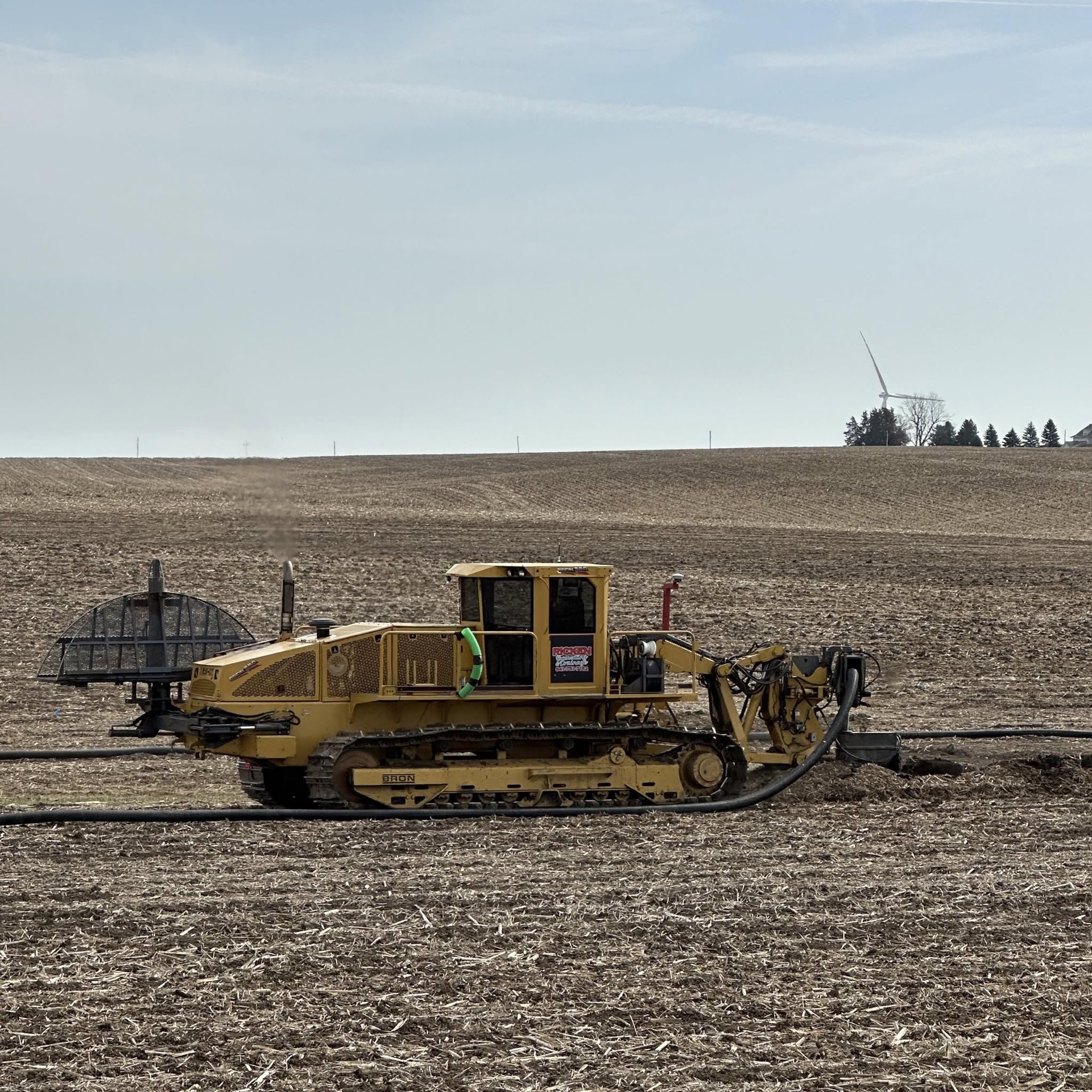
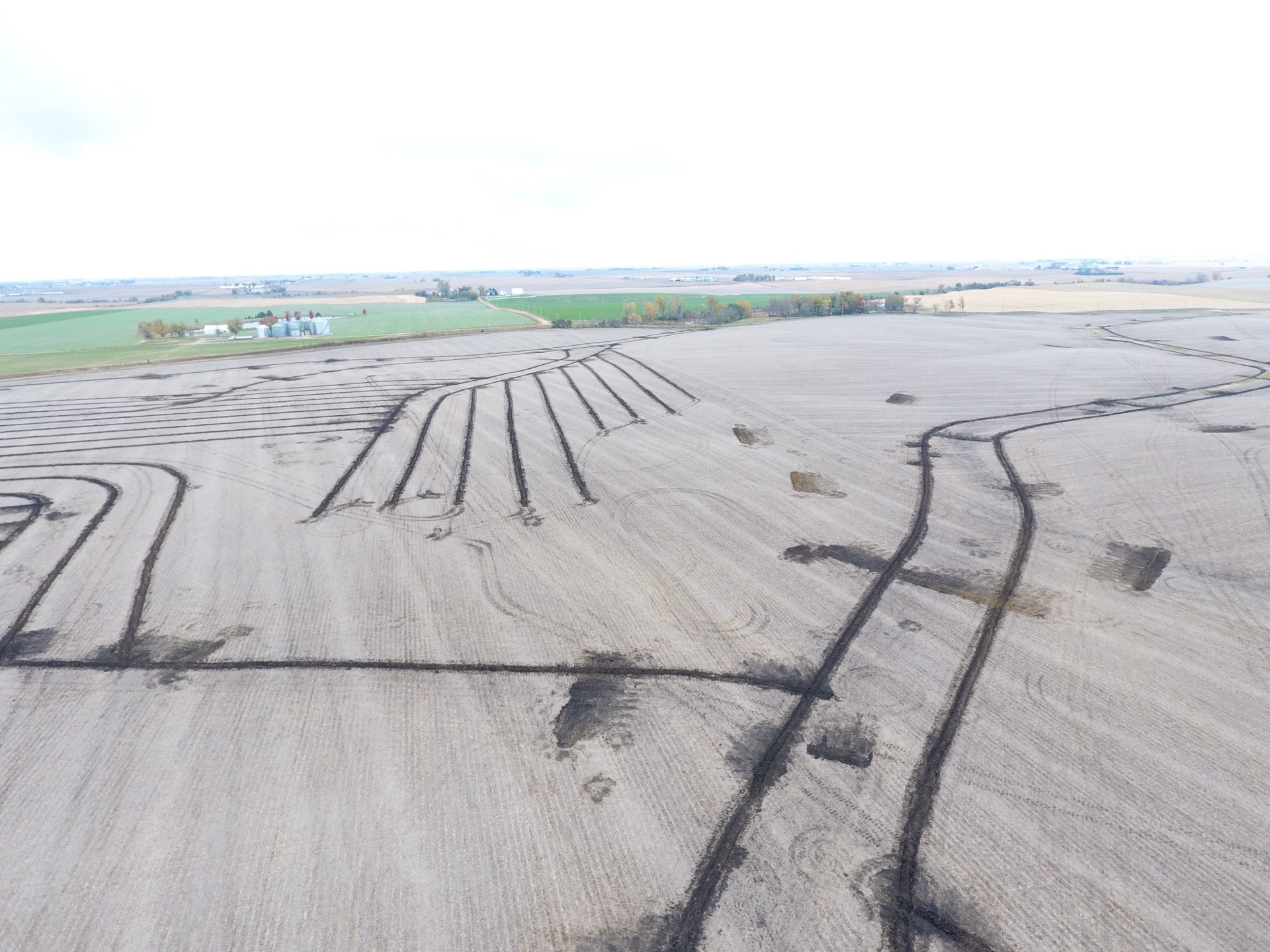
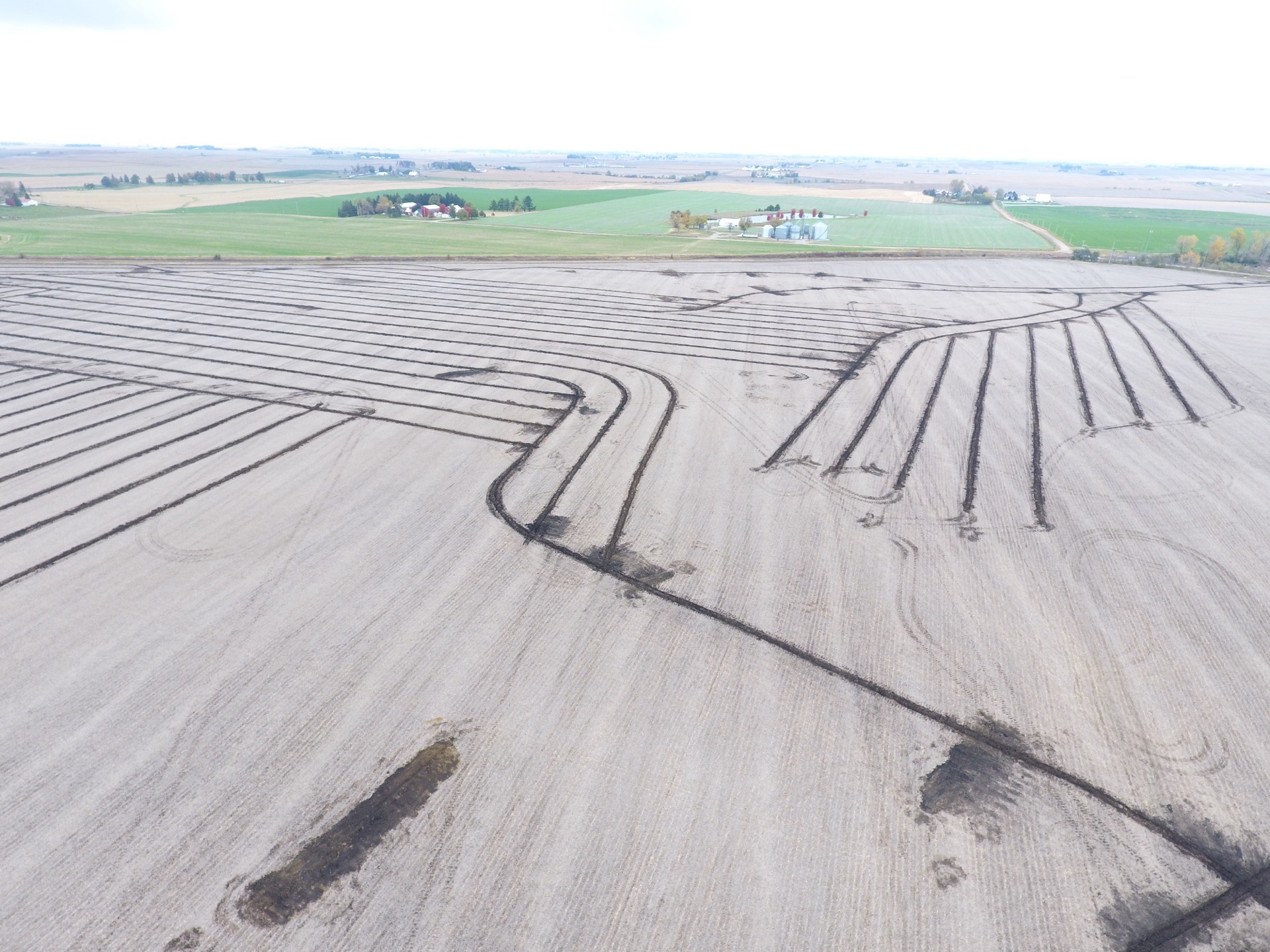
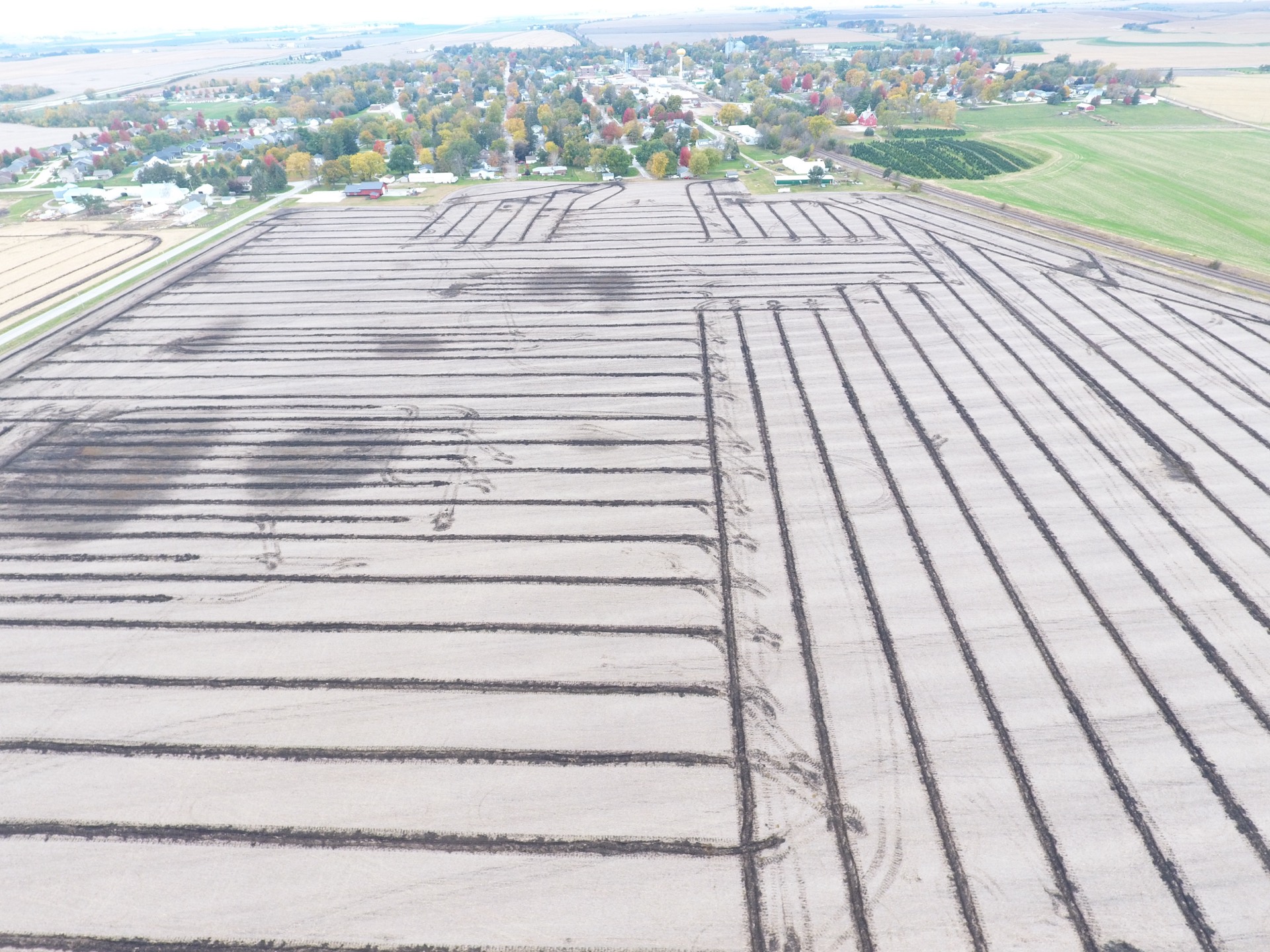
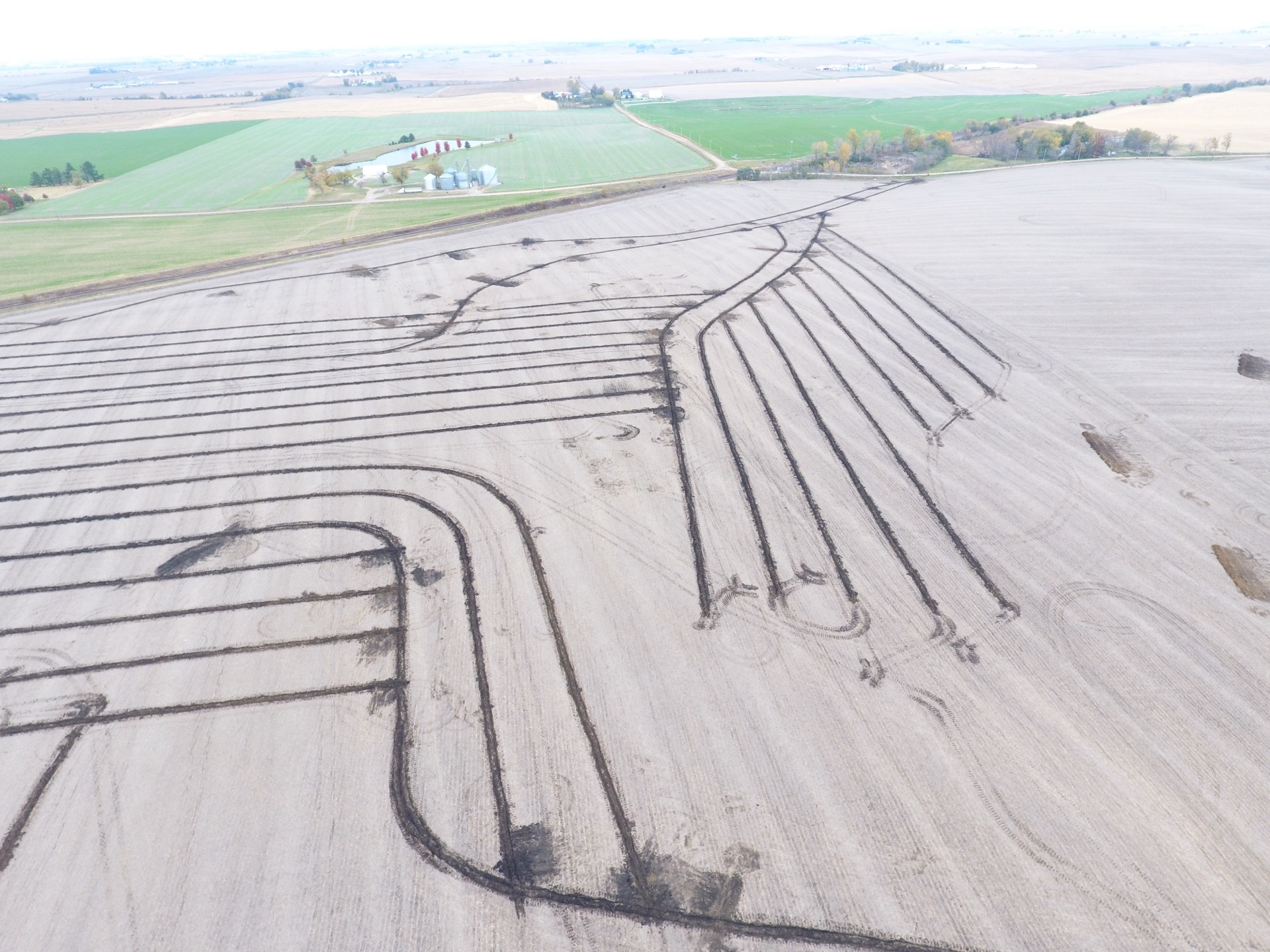
Field drainage tiling in the field
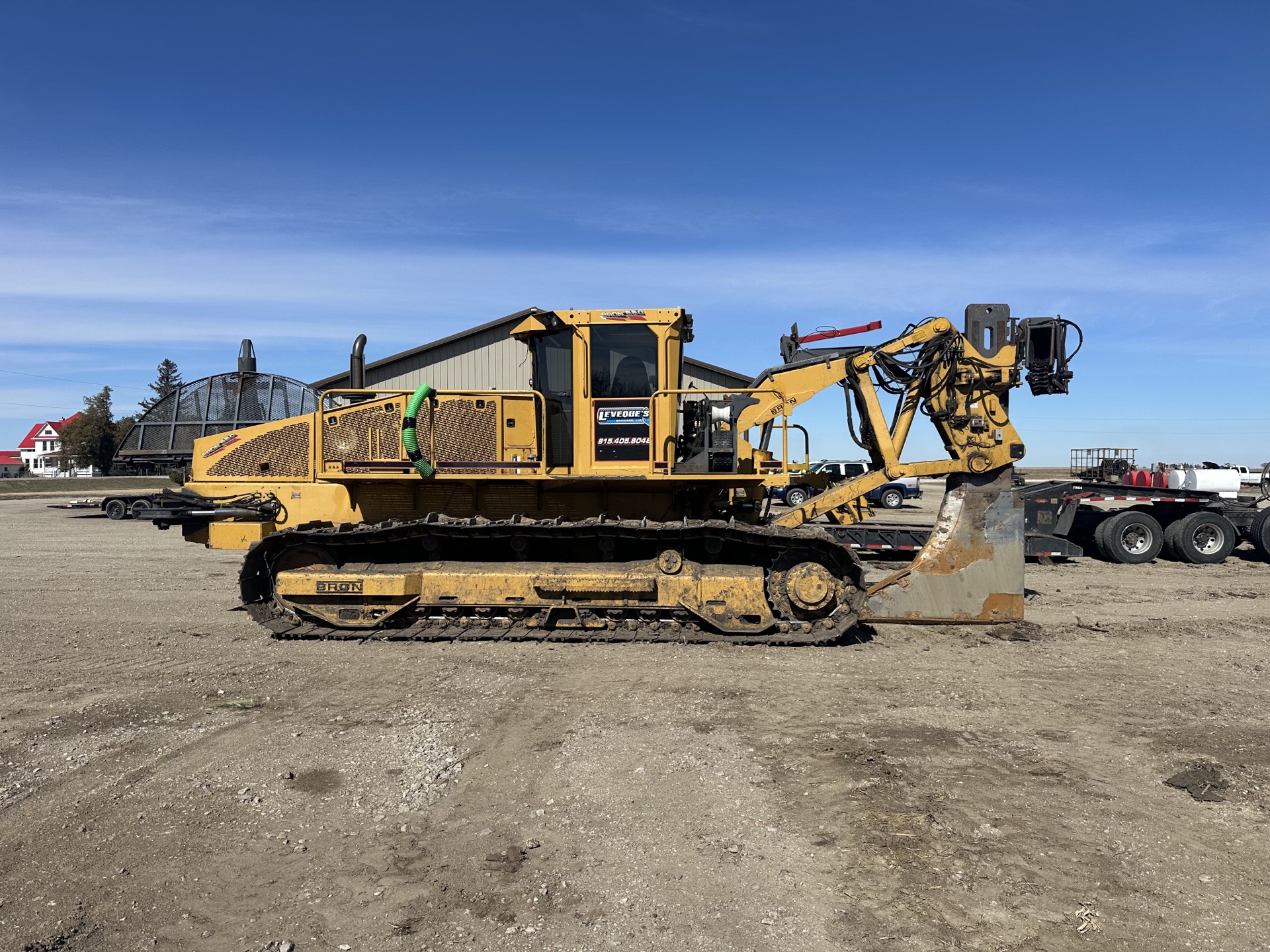
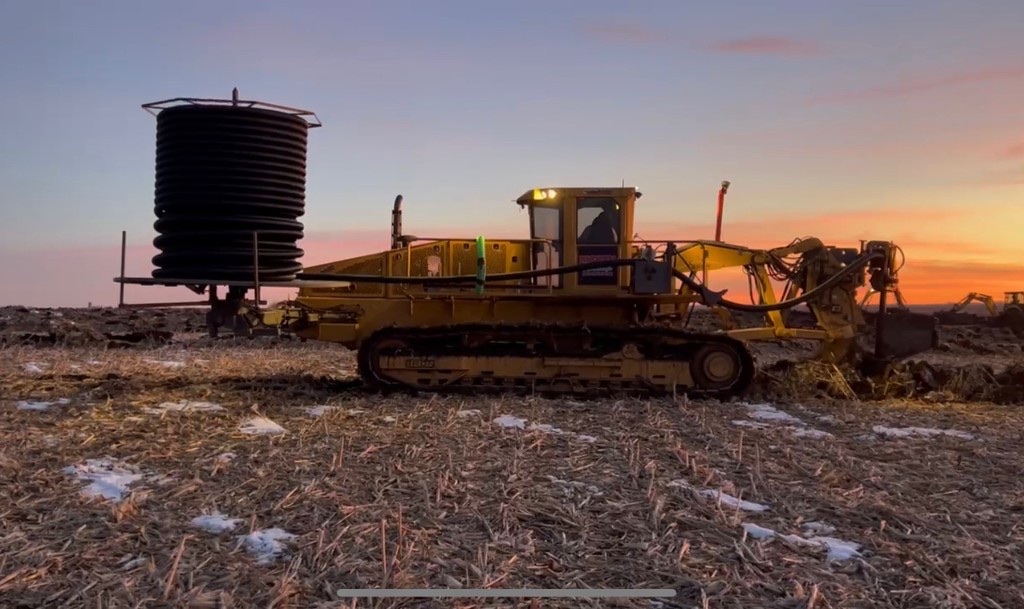
Yellow BRON tiling plow at work and large-scale pattern tiling for farms across Iowa, Illinois, Missouri, Nebraska, and Kansas.
Service Area
Field drainage tiling across five states
We provide field drainage tiling services throughout Iowa, Illinois, Missouri, Nebraska, and Kansas, including southern Kansas where demand for tile is growing.
Have a Field That Isn't Draining Properly?
Standing water and consistently wet ground may be signs that your field could benefit from improved drainage. Contact Ricken Excavating and Drainage LLC to discuss your field drainage needs and find out what drainage options may be right for your property.